Our Blog
Insights, stories, and expert advice for Japanese-speaking professionals worldwide
Trending Now

How Oshikatsu Became Japan's Most Unexpected Workplace Trend in 2026
Discover how oshikatsu is reshaping Japan’s workplace culture in 2026 as companies support personal passions, work-life balance, and Gen Z employee retention.

The Hidden Workplace Trend Reshaping Japan in 2026
Quiet quitting is reshaping the 2026 workplace as younger employees prioritize mental health, work-life balance, and meaningful careers over traditional corporate loyalty.

AI Skills Become Japan Most Valuable Workforce Asset in 2026
AI-related hiring in Japan tripled in 2025, making AI literacy and digital skills more valuable than ever. Discover the top skills Japanese employers need in 2026 and how professionals can prepare.
Latest Articles

Interviewing at a Japanese Company: The Questions That Come Up, and What They Are Really Assessing
A Japanese-company interview assesses something different from a typical one. Here are the questions that almost always come up, what sits behind them, and the mistakes that most often cost candidates the role.

Japanese Work Style: Why Decisions Are Slow and Execution Is Fast
At a Japanese company, decisions feel painfully slow and then execution is suddenly very fast. Here is the mechanism behind it — ringi, nemawashi, and the approval chain — and how to adapt to it.

Japanese Language Teacher Jobs in Indonesia: Requirements, Pay, and How to Apply
A practical guide to Japanese language teaching jobs in Indonesia — the four types of employer, the JLPT level actually required, how pay is structured, and how to apply without formal teaching experience.
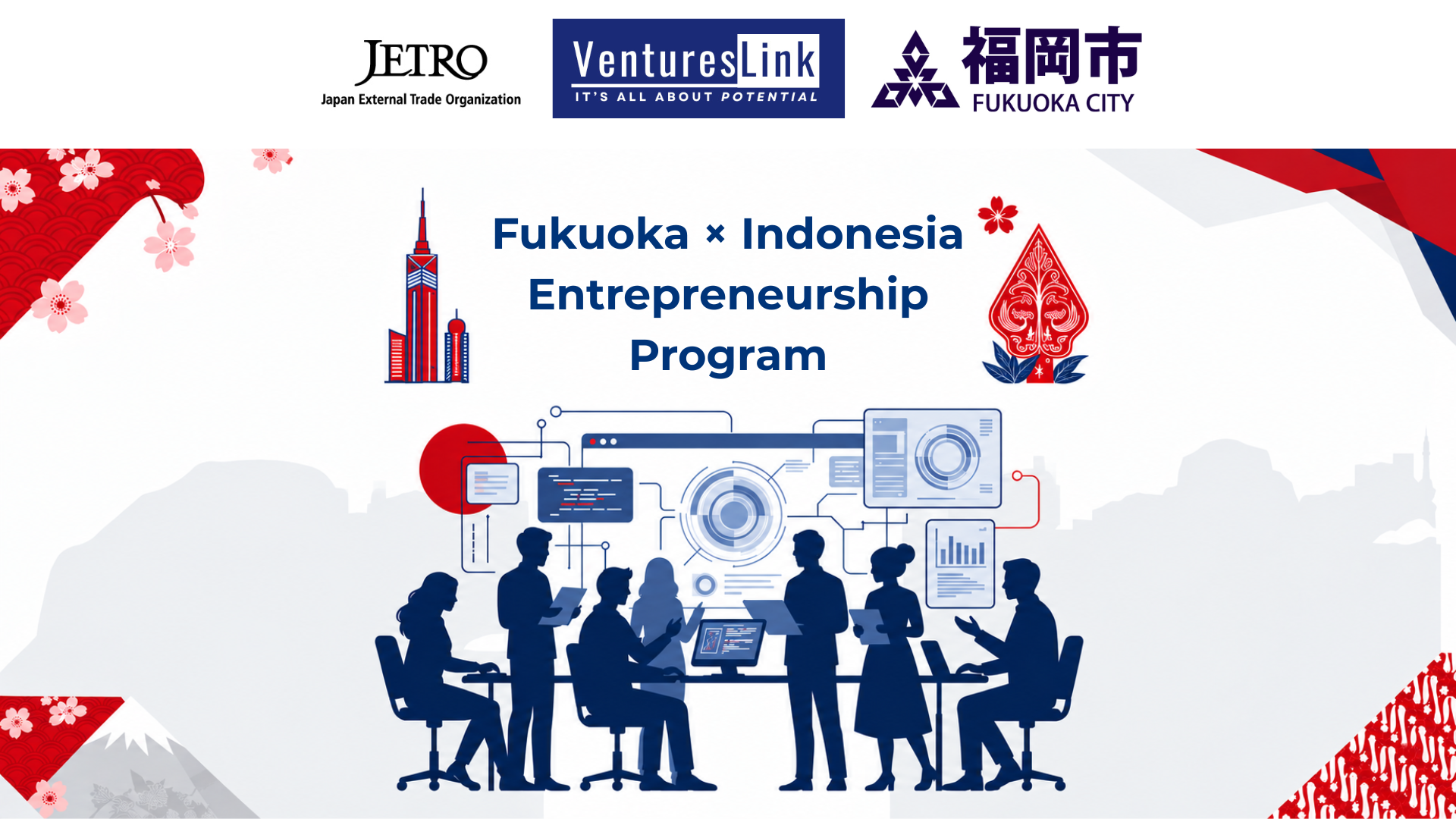
Japanese and Indonesian University Students to Build Together Through Fukuoka × Indonesia Entrepreneurship Program
What happens when Japanese and Indonesian university students stop simply learning about each other — and start building together? That is the idea behind the Fukuoka × Indonesia Entrepreneurship Program, organised by JETRO Fukuoka and delivered by VenturesLink through KakehashiX. The programme will bring students from Japan and Indonesia together in mixed teams to develop business ideas, solve problems and pitch their concepts.

Which JLPT Level Do Japanese Companies Actually Require?
An analysis of 34 active listings on KakehashiX: the most requested JLPT level turns out to be N3, not N1 — with real example roles and salary ranges.

Japanese Companies in Indonesia That Are Hiring Right Now
A directory of Japanese companies in Indonesia currently hiring Japanese speakers — grouped by industry, with the open positions and locations for each.

Not an Internship, Not a Factory: The Office-Job Route at Japanese Companies
Most “working in Japan” advice is about internships and factories. This is the office-job route: real positions, JLPT requirements, salary ranges, and the companies hiring right now.

Why Indonesian Talent Is in High Demand
Indonesia has quietly become one of Japan's fastest-growing sources of foreign workers — and the shift is structural, not a passing trend. Here is what the latest government data says, and what it means for Japanese employers planning their 2027 hiring.

Understanding Japanese Senpai–Kohai Culture: A Practical Guide for Foreign Workers
What senpai–kohai really means at work in Japan — the unwritten rules, the language, the mistakes foreign workers make, and how to use it to your advantage.

Internship Opportunities with Japanese Companies: What Indonesian and International Students Need to Know in 2026
How internships at Japanese companies actually work in 2026 — the four main routes in, the visa status you need, and the timeline Indonesian and international students should be following.

Shokumu Keirekisho vs Rirekisho: What's the Difference?
Japan asks for two application documents, not one. Here is what a rirekisho and a shokumu keirekisho each do, which one you need, and how to write both as a foreign applicant.

How to Build a Reception Framework That Improves Retention of Gijinkoku Talent: Practical Onboarding Points
With Gijinkoku hiring, the offer and joining are not the goal—that is where the real start begins. Whether you can effectively recover the hiring cost depends on retention after joining. This article organizes the practical points for building a reception framework for foreign talent.